Building Company Competitive Intelligence Systems From Scratch
Why Formal Competitive Intelligence Systems Matter
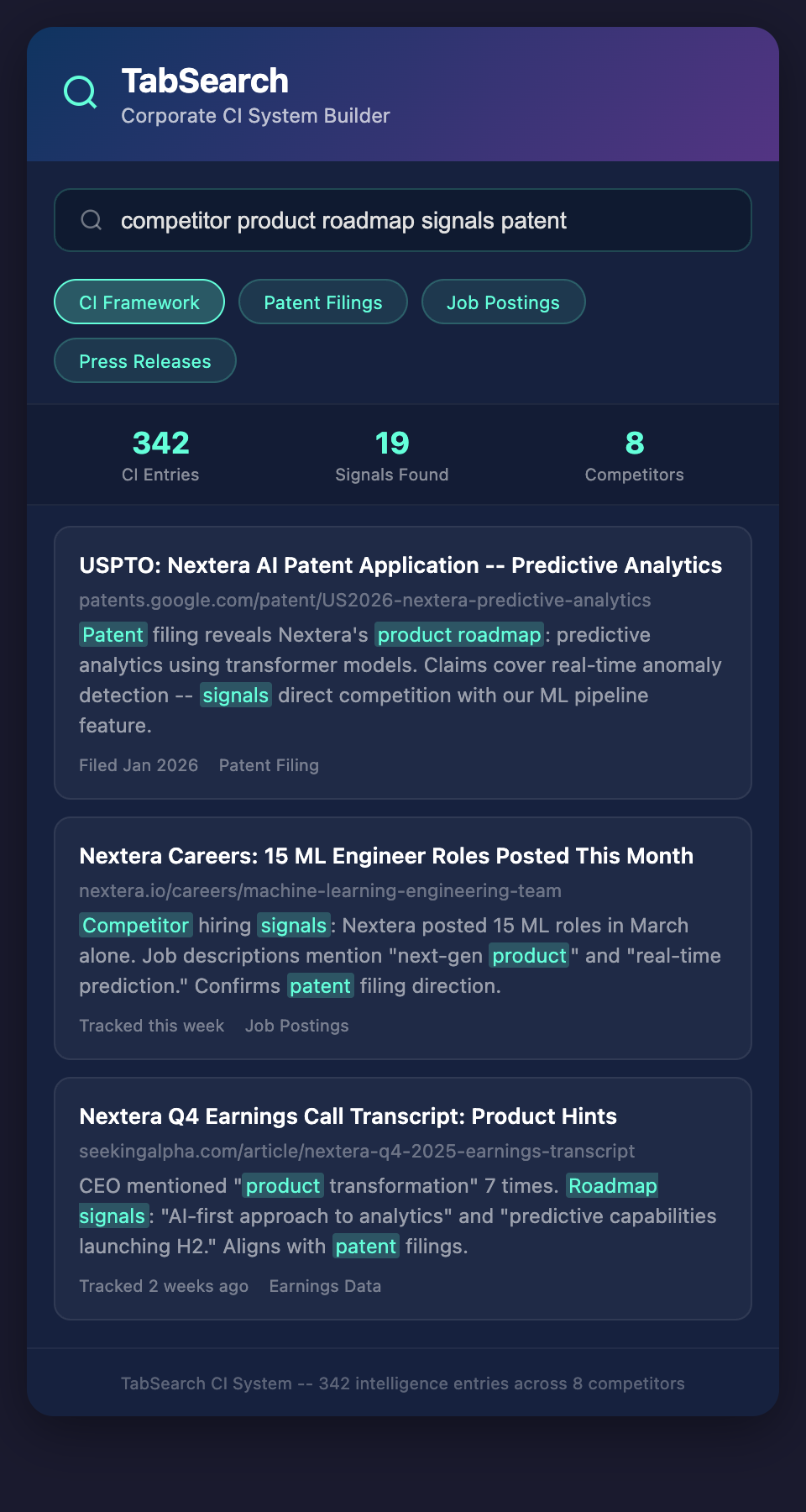
Companies without formal competitive intelligence systems operate on reactive instinct. They learn about market threats from customer conversations or lost deals rather than from systematic analysis. By then, they're already behind.
Companies with mature competitive intelligence systems operate with a two-month lead on the market. They detect emerging competitive threats, market shifts, and customer need evolution before they become crises. They respond to new competitive moves strategically rather than tactically.
The difference isn't intelligence—it's systematization. Formal intelligence systems transform scattered information into actionable strategy.
Phase 1: Define Your Intelligence Objectives
Before building anything, clarify what intelligence you actually need:
Strategic Intelligence Questions
What do decision-makers need to know?
-
Where are competitors heading long-term?
-
What new markets are opening or closing?
-
What technologies are disrupting our industry?
-
Where are we vulnerable?
What's your decision-making timeline?
-
Strategic decisions (6-18 months out) require different intelligence than tactical decisions (next quarter)
-
Build your system to support your actual decision-making cadence
Who consumes the intelligence?
-
C-suite needs quarterly strategic briefings
-
Product team needs monthly competitive capability updates
-
Sales needs daily/weekly competitive messaging updates
-
Marketing needs trend analysis for positioning
Different consumers need different formats and refresh cycles. Don't over-invest in daily updates to C-suite executives who decide quarterly.
Competitive Landscape Mapping
Define the competitive set:
-
Direct competitors: Same target customer, similar core functionality
-
Indirect competitors: Different approach to solving the same customer problem
-
Emerging competitors: Not currently competitive but trending toward your market
-
Adjacent competitors: Adjacent markets that could expand into your space
Your intelligence system should track different aspects for each category. Direct competitors require detailed battlecards. Emerging competitors require trend monitoring. Adjacent competitors require market entry signal detection.
Intelligence Scope
Clarify what you will and won't track:
-
Price and packaging: Yes (directly impacts competitive positioning)
-
Product features: Yes (functional differentiation is core)
-
Hiring patterns: Maybe (hiring in a new market might signal expansion)
-
Earnings calls and investor communications: Yes (reveals strategic direction)
-
Leadership changes: Maybe (indicates strategic shifts or stability)
-
Patent filings: Maybe (suggests technology investments)
-
Customer reviews and social media: Yes (reveal customer perception)
Define your scope based on your industry and strategic questions. Financial services companies might track regulatory filings heavily; enterprise software companies might prioritize earning calls and customer churn data.
Phase 2: Establish Information Infrastructure
Once you know what you need to know, build the pipes to get information:
Establish Primary Sources
Create a prioritized list:
Tier 1 (Core): Earnings calls, investor presentations, official pricing/product pages, press releases
Tier 2 (Substantive): Industry analyst reports, major industry news outlets, customer reviews, hiring announcements
Tier 3 (Contextual): Social media, blog posts, webinars, industry events
Tier 1 sources are reliable enough that you can make strategic decisions based on them. Tier 2 sources add context and color. Tier 3 sources are signals to investigate further.
For each source, establish:
-
How you'll monitor it (email alert, RSS feed, manual check, third-party service)
-
How often you'll check it (daily, weekly, monthly)
-
Who's responsible for monitoring
Configure Capture Infrastructure
Set up automated and manual capture:
Automated:
-
Email alerts from news services to a dedicated inbox reviewed daily
-
RSS feeds aggregated in one feed reader
-
Slack integration for relevant news channels
-
Zapier/IFTTT workflows that route specific content into your intelligence system
Manual:
-
Salesforce integration pulls customer conversation notes
-
Weekly sales call review identifies customer mentions of competitors
-
Executive team forwards relevant articles to a shared email address
The goal is to make capture frictionless. If capturing information requires three steps, it won't happen consistently.
Implement Data Storage
Choose your database:
-
Spreadsheet-based: Easiest to get started, breaks at scale, limited search capabilities
-
Document-based: Better than spreadsheets, still manually organized
-
Database: Most scalable, requires more setup but enables powerful search and analysis
Start with what you have. If you've captured intelligence in spreadsheets for two years, migrating to a database adds value. If you're starting from scratch, start simple but architecture for growth to database.
Minimum data structure: Source link, date captured, competitor, topic category, summary, full text/excerpt, researcher, date of original publication, confidence/reliability rating.
Phase 3: Establish Analysis and Synthesis Processes
Raw information isn't intelligence. Intelligence is analyzed, contextualized, and acted upon:
Weekly Intake Review
Owner: Intelligence team or dedicated analyst
Time: 2-3 hours per week
Output: Categorized, tagged, and priority-ranked new sources
Review everything captured in the past week:
-
Is it relevant to your defined intelligence objectives?
-
Is it from a tier 1, 2, or 3 source?
-
Does it corroborate or contradict existing intelligence?
-
What decisions does it inform?
Tag for easy retrieval and flag anything requiring deeper analysis.
Monthly Competitive Briefings
Owner: Senior intelligence analyst
Time: 8 hours per month
Output: Written competitive brief distributed to leadership
Synthesize the month's intelligence into a brief:
-
Competitive moves: What did each major competitor announce or do?
-
Market signals: What trends emerged or accelerated?
-
Threat assessment: Where are we vulnerable? What new threats emerged?
-
Opportunity assessment: What new opportunities opened up?
-
Recommended actions: What should we consider as a response?
Make these concise (3-5 pages) with clear recommendations. Leadership's time is valuable—your brief should enable decision-making, not require 20 hours of interpretation.
Quarterly Strategic Deep-Dives
Owner: Cross-functional strategy team
Time: 2 days per quarter
Output: Strategic implications document and potential response strategies
Pick one strategic question per quarter:
-
"Are we losing mid-market segment to a specific competitor?" (Dive into win/loss data, their capabilities, our positioning)
-
"What's the market opportunity in vertical X?" (Dive into market size, competitive positioning, customer readiness)
-
"How is AI reshaping our industry?" (Dive into competitor AI investments, customer expectations, product roadmap implications)
Synthesize intelligence, overlay internal data (customer conversations, product roadmap), and develop 2-3 strategic options with analysis of each.
Incident Response Intelligence
When urgent competitive threats emerge (major competitor announcement, lost strategic deal, customer churn spike), trigger rapid analysis:
24-hour brief: What do we know about the situation?
48-hour assessment: What are the strategic implications?
1-week response plan: What should we do?
This prevents reactive panic and ensures you're responding strategically to competitive threats.
Phase 4: Build the Intelligence Culture
Systems don't work without people who believe in them. Build a culture of competitive awareness:
Intelligence Accessibility
Make intelligence impossible to ignore:
-
Competitive briefings go to C-suite and relevant teams monthly
-
Weekly competitive updates in team standups
-
Searchable database accessible to everyone (sales, product, marketing)
-
Customer feedback loops ensure customer intelligence feeds into competitive analysis
When intelligence informs daily decisions, people invest in it.
Feedback Loops
Intelligence system design evolves based on what people actually use:
-
Which competitive intelligence questions come up most frequently?
-
What format do different teams prefer for receiving intelligence?
-
What intelligence would be more useful?
Quarterly, review your intelligence program based on actual usage and feedback. Drop intelligence categories nobody uses, expand those generating decisions.
Training and Onboarding
New hires and new team members should understand the competitive landscape. Provide:
-
Competitive overview briefing during onboarding
-
Searchable competitive battlecards for reference
-
Sales training on competitive positioning (product, pricing, messaging)
-
Product training on competitive capabilities
Avoiding Common Mistakes
Mistake 1: Collecting without analyzing
Too many companies have massive databases of captured intelligence nobody uses. Information becomes intelligence only when it's analyzed and contextualized.
Mistake 2: Trying to track everything
You'll burn out your intelligence team. Focus on competitive set, defined strategic questions, and reliable sources.
Mistake 3: Separating intelligence from decision-making
If your competitive intelligence briefings don't influence decisions, the system has failed. Tie intelligence explicitly to strategic choices.
Mistake 4: Not updating intelligence
Six-month-old competitive analysis is worse than useless—it's misleading. Establish refresh cadences and stick to them.
Measuring Success
The impact of competitive intelligence shows up in:
-
Decision speed: Time from identifying competitive threat to organizational response decreases
-
Win rate against specific competitors: When you have superior intelligence, you win more often
-
Market positioning: Your messaging becomes sharper because it's based on analyzed intelligence
-
Threat detection: You identify emerging competitors and market threats before they become crises
Track these metrics quarterly. If your intelligence system isn't improving these outcomes, recalibrate.
Getting Started This Week
-
Clarify objectives: What three strategic questions do you need answered monthly?
-
Identify sources: Where does intelligence about those topics already exist?
-
Assign owner: Who leads competitive intelligence for your company?
-
Establish capture: Set up automated monitoring for your top three information sources
-
Schedule briefing: Establish a monthly review where intelligence informs strategy
Start small. A simple monthly briefing based on curated sources beats a complex system nobody uses.
Building a formal competitive intelligence system separates strategic companies from reactive ones. Join our waitlist to see how to set up intelligence infrastructure that scales as your company grows.